If you live in one of Birmingham's Victorian or Edwardian terraces — in Digbeth, Small Heath, Harborne, or the streets around them — there's a good chance your drainage includes a feature many homeowners have never heard of until it blocks: the interceptor trap.
What Is an Interceptor Trap?
An interceptor trap is a U-shaped section built into the drain run, usually close to the property boundary, just before the connection to the public sewer. Its job is simple: hold a small standing depth of water that blocks sewer gas from travelling back up the pipe into the house. Before modern trapped fittings became standard on every appliance, interceptor traps were the main defence against sewer smell in the home.
Birmingham's dense Victorian terrace stock — particularly around Digbeth, Small Heath, and the older streets of Harborne — was largely built with interceptor traps as standard. Many are still in place and still doing their job, quietly, decades later.
Symptoms, Likely Cause, and How Urgent It Is
- **Gurgling toilet or slow ground-floor drains, no smell yet** — likely cause: partial blockage building up in the interceptor trap or the rodding-eye chamber. Urgency: routine — worth booking a check before it worsens.
- **Sewage smell near the front or rear boundary, drains still flowing** — likely cause: the trap is holding but debris is starting to restrict flow, or the access cover seal has failed. Urgency: same-week attention recommended.
- **Multiple fixtures backing up together with a strong smell** — likely cause: the interceptor trap itself is fully blocked, forcing wastewater back up the highest or lowest connected fixture. Urgency: same-day — this is effectively a blocked drain emergency.
- **Standing water or sewage visible at the rodding-eye cover** — likely cause: full blockage downstream of the trap, possibly extending into the public sewer connection. Urgency: same-day, and worth checking whether neighbouring properties are affected too.
The Rodding-Eye: Your Access Point
Every interceptor trap has a rodding-eye — a small chamber, usually with a metal or plastic cover, set into the ground close to the trap. This is the access point engineers use to clear a blockage without digging. It's often disguised as an unremarkable cover in a front path, side passage, or rear garden, and many homeowners don't know it's there until they need it.
If you can locate your rodding-eye cover, that's genuinely useful information to have before you need us — it saves time on the day.
Clearing a Blocked Interceptor Trap
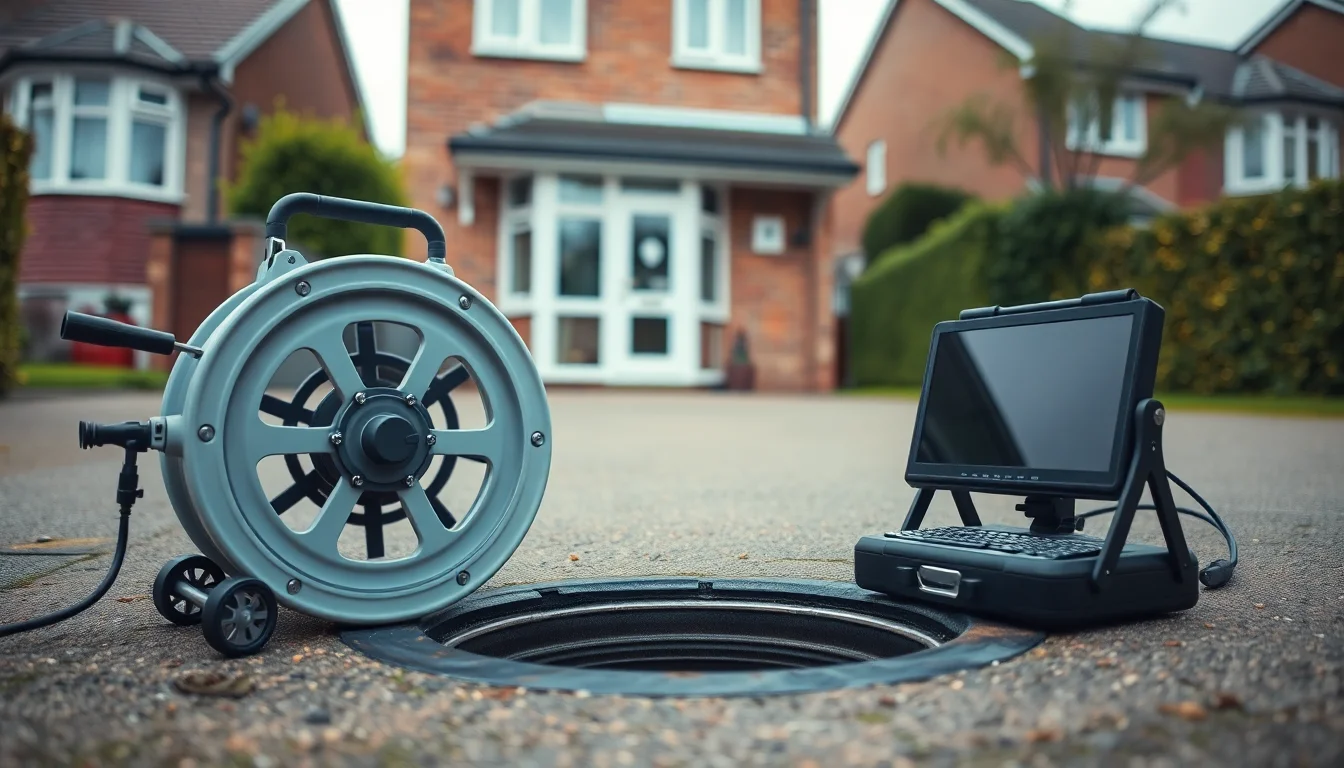
The process is more straightforward than most homeowners expect. Our engineers access the trap through the rodding-eye, use drain rods or an electromechanical cutter to clear the blockage from inside the trap, and follow with high-pressure jetting to flush debris through to the public sewer connection. A CCTV check afterwards confirms the trap and the pipework either side of it are clear and undamaged.
When It's Severn Trent's Problem, Not Yours
Whether a blocked interceptor trap is your responsibility depends on what it serves. If the trap sits within your boundary and only handles wastewater from your property, it's a private drain and clearing it is your responsibility. If it's part of a shared drain serving more than one property — common in Birmingham's back-to-back terraces — the relevant section may have transferred to Severn Trent Water under the 2011 sewer transfer regulations, in which case they should attend at no cost. For more detail on how this split works generally, see our guide on who is responsible for blocked drains.
Should an Old Interceptor Trap Be Removed?
In some cases, yes. Modern sewer connections often no longer require an interceptor trap, and because the trap is a natural snag point for debris, wet wipes, and root ingress, removing an unnecessary one can actually reduce how often a property experiences blockages. This isn't a decision to make blind, though — a CCTV drain survey should confirm the layout downstream before any trap is removed, so nothing unexpected happens to the rest of the system.
Common in Digbeth, Small Heath, and Harborne
Birmingham's terraced streets across Digbeth and Small Heath, the Edwardian terraces of Harborne, and the older streets of West Bromwich all share this Victorian-era plumbing legacy. If you're dealing with a suspected blocked interceptor trap, or simply want to know whether you have one, request a fast, fixed-price quote online and one of our local engineers will locate it, check it, and clear it if needed — no call-out fee, and no work starts until you've agreed a fixed price.