TL;DR Tree roots that have found a crack or joint in your drain can be cleared with high-pressure water jetting, which uses a root-cutting nozzle to slice through the intrusion and restore flow. If the blockage keeps coming back, get in touch via our online contact form to arrange a survey.
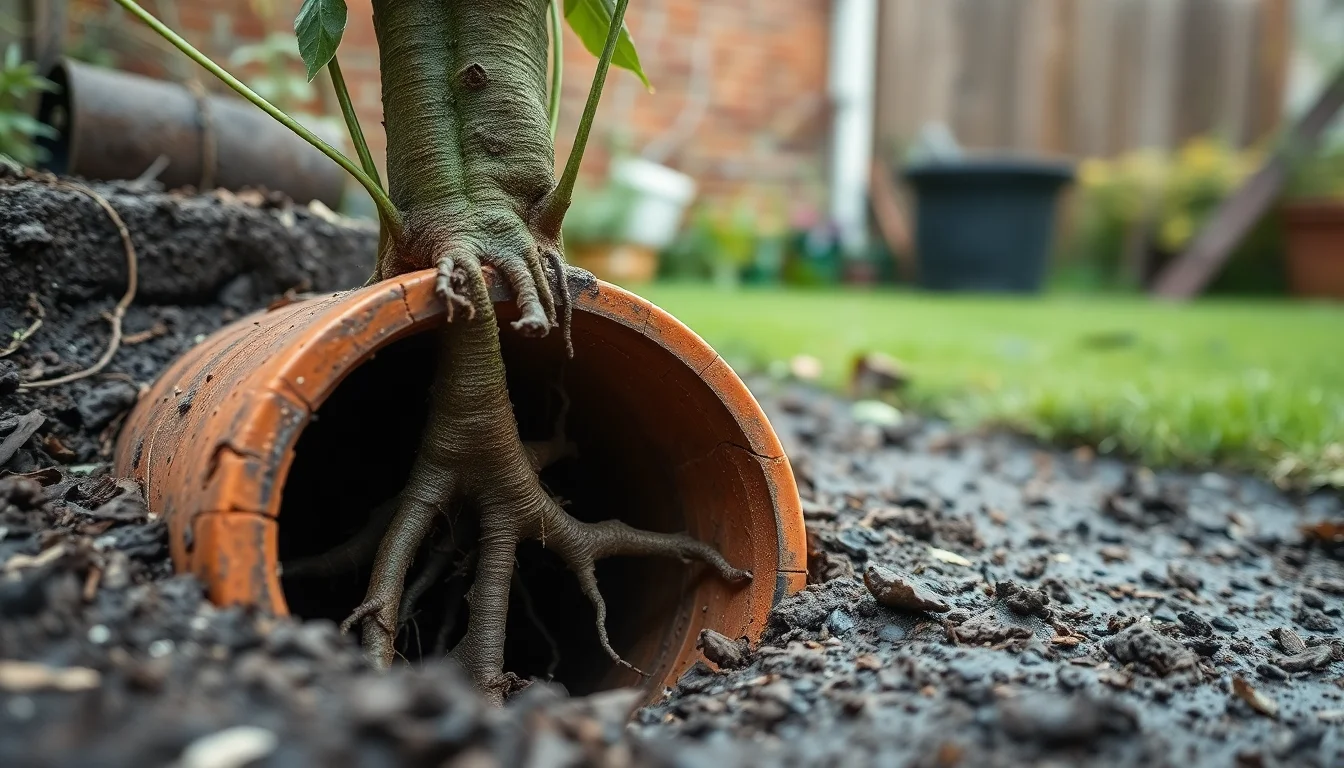
Recognising the tell-tale signs of root intrusion Recurring blockages that return a few weeks after you've cleared them, gurgling noises from sinks or baths, slow drainage in multiple fixtures, and a persistent foul smell coming from an outside gully are classic indicators that tree roots have found their way into a pipe. These symptoms often start subtly — a slight delay in water clearing — but worsen as the roots grow and trap debris, eventually leading to a full blockage. If you notice any of these patterns, especially in an older property, it's worth investigating whether roots are the underlying cause rather than a simple fat or soap build-up.
Why Birmingham's older streets are prone to this Much of Birmingham's housing stock, particularly in neighbourhoods such as Moseley, Edgbaston, Kings Heath and Selly Oak, dates back to the late-19th and early-20th centuries. The original drain runs in these areas were frequently laid in vitrified clay, a material that develops fine cracks and open joints as it ages. Mature street trees and established garden shrubs send out fine feeder roots in search of moisture and nutrients, and a cracked joint in an old clay pipe is an easy target once a root finds it. Streets with a mix of mature trees and Victorian terraces tend to see root-related drain problems more often than newer developments built with tighter-sealed plastic pipe.
How high-pressure jetting tackles roots — and its limits Drain jetting uses a specialised root-cutting nozzle to deliver a powerful, controlled jet of water that slices through fibrous root masses while flushing the debris downstream. The process doesn't damage the pipe itself, which makes it a sensible first step for most root intrusions. However, jetting alone can't repair structural damage: if the pipe is cracked, collapsed or badly deformed, roots will simply find their way back in once the moisture source is restored. In those cases, excavation to replace the damaged section, or a trenchless relining solution, becomes the longer-term answer. A technician can usually tell you which category your drain falls into while the jetting work is underway.
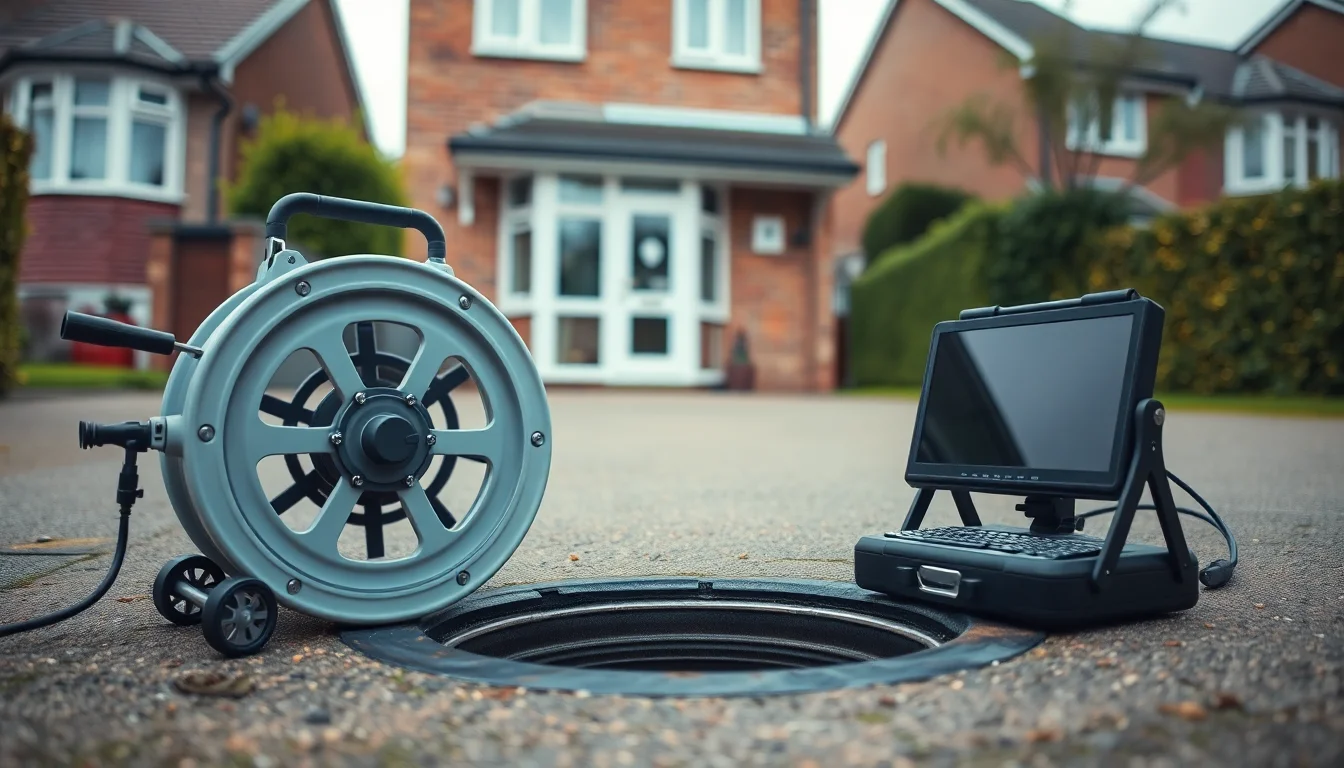
Why a follow-up CCTV survey and root-inhibitor treatment matter After the blockage is cleared, a follow-up CCTV drain survey is worth having to confirm all root material has been removed and to check for any remaining defects such as cracks, offset joints or root regrowth starting points. Some technicians can also apply a root-inhibitor treatment, which is designed to discourage roots from returning to the same joint for a period. It's a useful supplementary measure, but it isn't a substitute for repairing a pipe that's genuinely damaged — if the underlying crack or joint failure isn't addressed, roots will eventually find it again.
Emergency or scheduled — how to tell If you're seeing a sudden loss of drainage, sewage backing up into the property, or water coming up out of an inspection chamber, that's worth treating urgently. For slower-developing symptoms — occasional gurgling, gradually reduced flow, or an intermittent smell — booking a planned visit gives a technician time to survey properly, clear the roots and talk through any repair options without the pressure of an emergency. Either way, the only route to booking is our online contact form — the whole process is form-first, so you get a written quote before anything goes ahead.
The same approach, wherever you are in Birmingham Whether you're in a terrace in Harborne, a semi in Erdington, or a property in West Bromwich, the principles of root intrusion and jetting are the same — it's the pipe age, tree cover and joint condition that decide how bad it gets. If you're weighing up whether jetting or traditional drain rods are the better fit for your situation, that comparison explains the strengths and limits of each. For everyday household drains, the domestic jetting service covers what's involved from the initial look to the final flush.
Frequently Asked Questions
**Can jetting remove tree roots from a drain?** Yes — high-pressure jetting with a root-cutting nozzle is generally the first method used to clear tree root intrusion, cutting through the root mass and flushing it downstream. It works well where the pipe itself is still structurally sound; if the pipe is cracked or collapsed, jetting clears the immediate blockage but the underlying damage will still need repairing.
**Will tree roots come back after jetting?** They can, if the crack or open joint that let them in hasn't been repaired — roots will keep finding the same weak point as long as it exists. A follow-up CCTV survey shows whether the joint needs fixing, and a root-inhibitor treatment can slow regrowth in the meantime, though it isn't a permanent fix on its own.
**How do I know if tree roots are causing my blockage?** The strongest clue is a pattern: a drain that clears with jetting or rodding but blocks again in a similar way every few weeks, especially near mature trees. A CCTV survey is the only reliable way to confirm root intrusion versus a simple grease or debris blockage.
**Is high-pressure jetting safe for older pipework?** A competent operator adjusts the pressure and nozzle to suit the pipe material and condition, so jetting is routinely used on the vitrified clay pipework common in Birmingham's older streets. If a survey shows the pipe is already significantly weakened, a technician will normally recommend relining or replacement rather than jetting alone.